Key takeaways
- Cleaning removes dirt and germs from surfaces using soap and water or a cleaner.
- Sanitizing lowers germs to a safer level. Disinfecting kills more germs using registered products.
- Surfaces should be cleaned first because soil blocks disinfectants.
- Follow product labels for contact time and safety.
Cleaning
Cleaning removes dirt, dust and some germs from surfaces using soap or detergent and water. It is the first step, and for many surfaces it is enough. Dirty surfaces cannot be disinfected well.
Daily cleaning is the foundation of every program.
Sanitizing
Sanitizing lowers the number of germs on a surface to a safer level, as judged by public health standards. It is common in food areas and shared surfaces. Products and contact times vary.
Read the label to see what it is made for.
Disinfecting
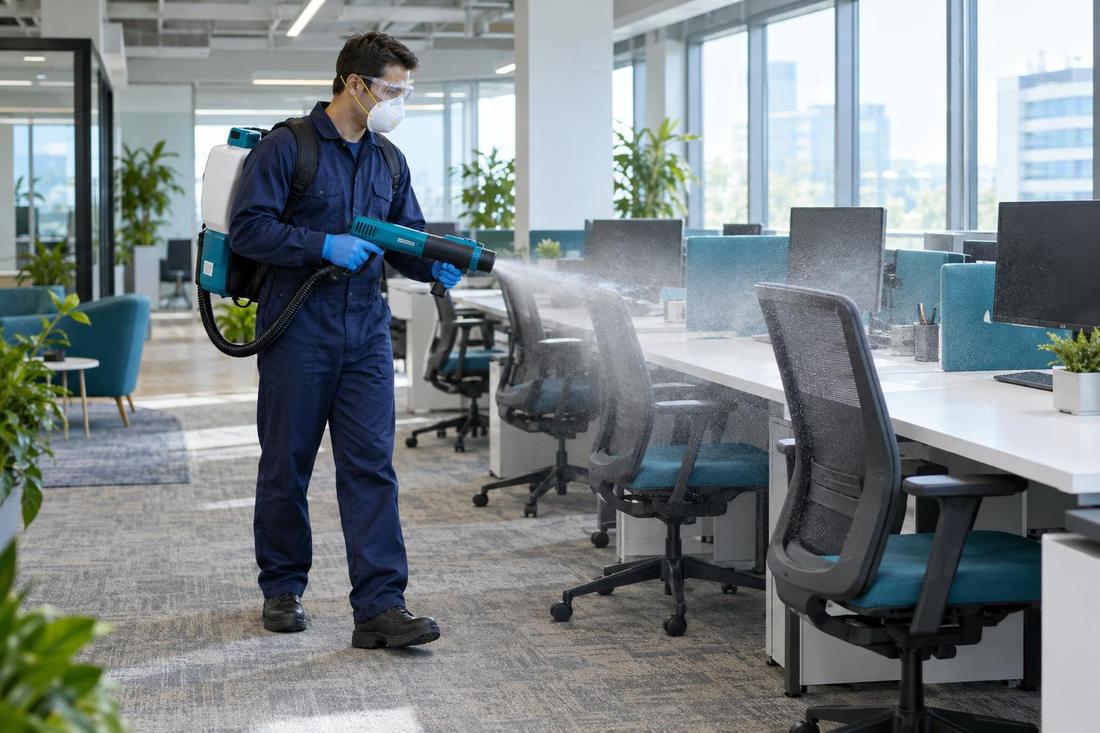
Disinfecting uses registered products to kill germs on surfaces and requires a specific contact time. The U.S. EPA keeps lists of registered products. Follow label directions closely for dilution, dwell time and ventilation.
Use disinfectants where risk is higher, like restrooms and high-touch surfaces.
Choose by need
Most areas need cleaning, high-touch and restroom areas benefit from sanitizing or disinfecting, and medical areas follow stricter rules. A written plan keeps the right method in the right place.
Ask your cleaner to document what is used where.
Official sources and further reading
- U.S. EPA: List N Disinfectants
- Centers for Disease Control and Prevention
- Occupational Safety and Health Administration
These are independent organizations. Links open in a new tab.
Quick answers
Is disinfecting needed everywhere?
No. Many areas only need regular cleaning. High-touch and restroom surfaces benefit most.
Can I just spray disinfectant?
Not effectively. Surfaces need to be cleaned first and the product left for its contact time.