Key takeaways
- Green cleaning uses safer products, microfiber tools and smarter methods.
- Look for recognized safer-choice labels and ask for product lists.
- Better dust control improves indoor air quality.
- Some tasks still need stronger products, used with care.
What it means
Green cleaning means choosing products and methods that reduce harm to people and the environment while still cleaning well. It covers product ingredients, packaging, equipment and training.
It is a program, not just a product.
Labels and lists
The U.S. EPA Safer Choice program labels products whose ingredients meet safety criteria. Ask your cleaner which products they use and request a list. Be wary of vague claims without a recognized label.
Check that the products work for the task.
Tools and methods
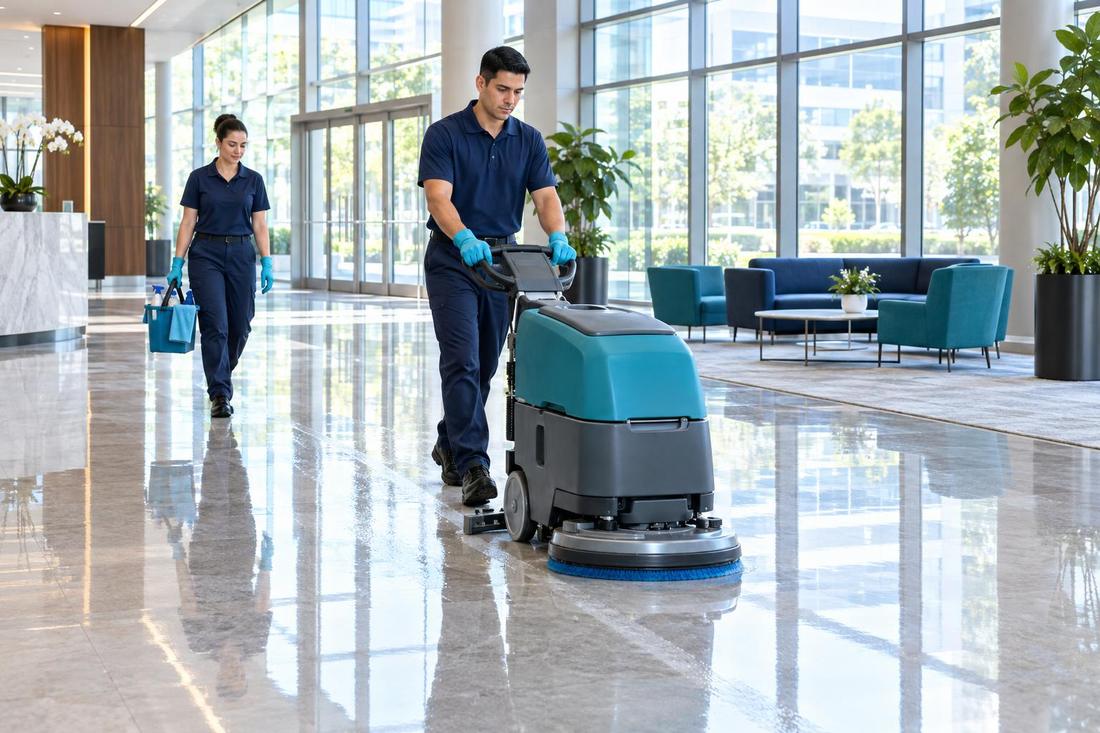
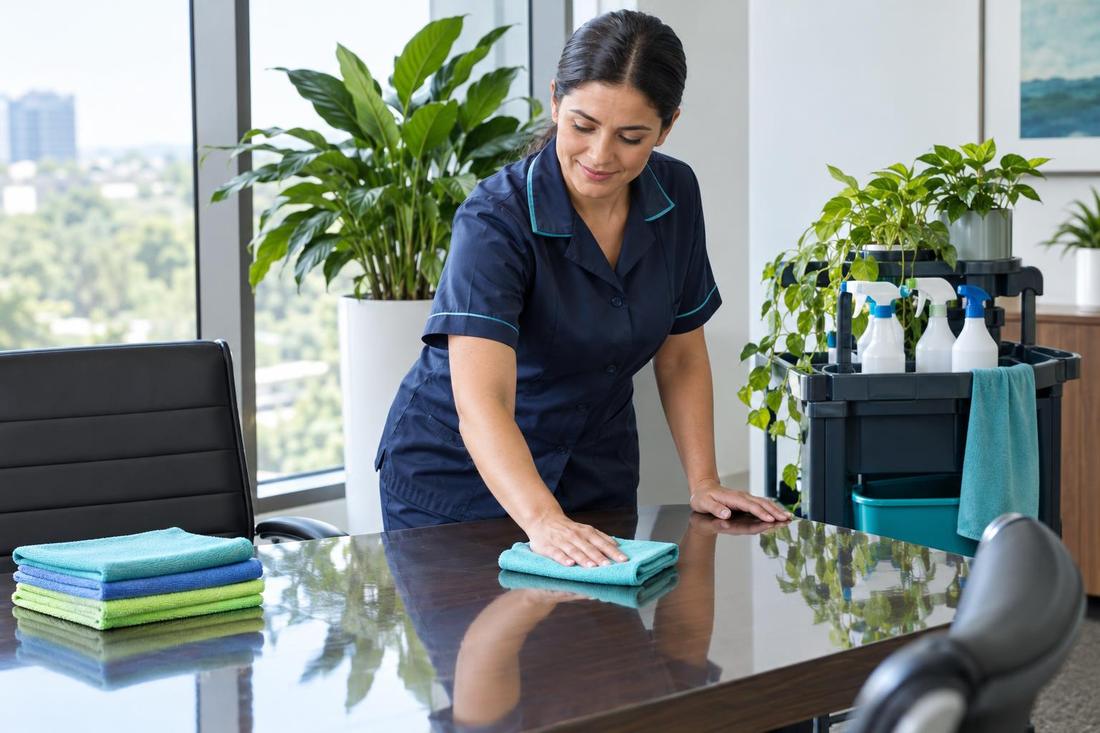
Microfiber cloths and mops capture dirt with less chemical. HEPA vacuums trap fine dust. Dilution control systems prevent over-use. Good training matters as much as the product.
Less dust helps people with allergies.
Know the limits
Some jobs, like disinfecting restrooms or medical spaces, call for registered disinfectants. A good green program uses them where needed and follows the label. The goal is smart use, not avoidance.
Ask for a written plan.
Official sources and further reading
- U.S. EPA: Safer Choice
- Centers for Disease Control and Prevention
- ISSA: The Worldwide Cleaning Industry Association
These are independent organizations. Links open in a new tab.
Quick answers
Does green cleaning clean as well?
For most tasks, yes. For some, a stronger product is used with care.
How do I know a product is green?
Look for recognized labels such as EPA Safer Choice and ask for the product list.